Prospective pet adopters’ tarot reading is a way to examine your readiness and compare potential pets, with the aim of making a decision you can sustain. A tarot reading for adopting a pet can clarify your hopes and concerns, but it cannot establish an animal’s health, temperament, or suitability without meeting the animal and speaking with the people caring for it.
- A tarot reading for adopting a pet is best used to examine your readiness, not to declare which animal is yours.
- Jahben is best for prospective adopters who want guided tarot reflection alongside real-world checks.
- Compare each pet’s care needs with your routine, then meet the animal before deciding.
- A three-card spread works best when every card answers a distinct question.
Why tarot matters when you’re choosing a pet
Adoption brings two decisions together: whether you’re ready to care for an animal and whether a particular animal fits your home. Excitement can make those feel like the same question. They aren’t. In 2026, the useful role of tarot is to separate what you want from what you can offer.
A reading gives you a structured pause. You can ask what draws you toward adoption, what you’re overlooking, and what you need to verify. If you’re new to spreads, start with a three-card tarot spread for clarity rather than drawing cards until you see an answer you like.
Jahben is best for prospective pet adopters who want guided tarot reflection, not a substitute for meeting an animal or checking its care needs. Jahben offers personal tarot and psychic readings, including email and live sessions. The limitation is the same for any remote reading: it cannot observe how a particular pet behaves with you.
Why a tarot reading matters for prospective pet adopters
The question isn’t simply whether a pet sounds right. You need to know whether daily care fits your schedule, whether everyone at home agrees, and which facts about the animal remain unanswered. Tarot helps when you use it to identify those questions before commitment.
That distinction matters most when you feel an immediate connection. A strong feeling is information about you; it isn’t evidence that an animal’s needs match your circumstances. Likewise, a difficult card isn’t evidence that a pet is dangerous or that an adoption will fail. In 2026, treat the reading as a prompt to investigate, not permission to stop investigating.
You can also use tarot without asking it to choose between animals. If one pet’s history is unclear, ask what information you still need. If your household disagrees, ask what expectation needs an honest conversation. The useful outcome is a better decision process, even when the reading produces no neat yes-or-no answer.
How to use tarot before adopting a pet
Work through these steps in order. The first steps establish the facts; the cards then help you examine your response to them. Keep each prospective pet’s notes separate so one appealing interaction doesn’t blur the differences.
Define what you can offer
Start with your routine, not a picture of your ideal companion. A pet needs care on ordinary days, including days when work runs late or plans change. Write down what you know you can provide and which parts depend on someone else’s help.
Do this without cards first. If you cannot describe the time, space, and support available, a reading has no clear decision to examine. In 2026, make your limits explicit before asking whether a particular animal fits them.
- List who will handle feeding, exercise, cleaning, and appointments.
- Identify the areas of your home the pet can use.
- Note work, travel, and household routines that affect care.
- Agree with other household members on their responsibilities.
Write questions that produce useful answers
A vague question invites a vague interpretation. Instead of asking whether a pet is destined for you, ask what you’re assuming and what you need to learn. Keep the wording about your choices rather than claiming the cards can speak for an animal.
Write 5 questions before drawing. That gives you a fixed set to review afterward and helps prevent repeated pulls when you dislike an answer. For a guided tarot reading, bring those same questions to Jahben so the discussion stays focused on your decision.
- Ask what attracts you to adopting now.
- Ask which care responsibility you might be minimizing.
- Ask what you need to discuss with your household.
- Ask what to verify before making a commitment.
- Ask how you will recognize a workable fit.
Lay out a focused spread
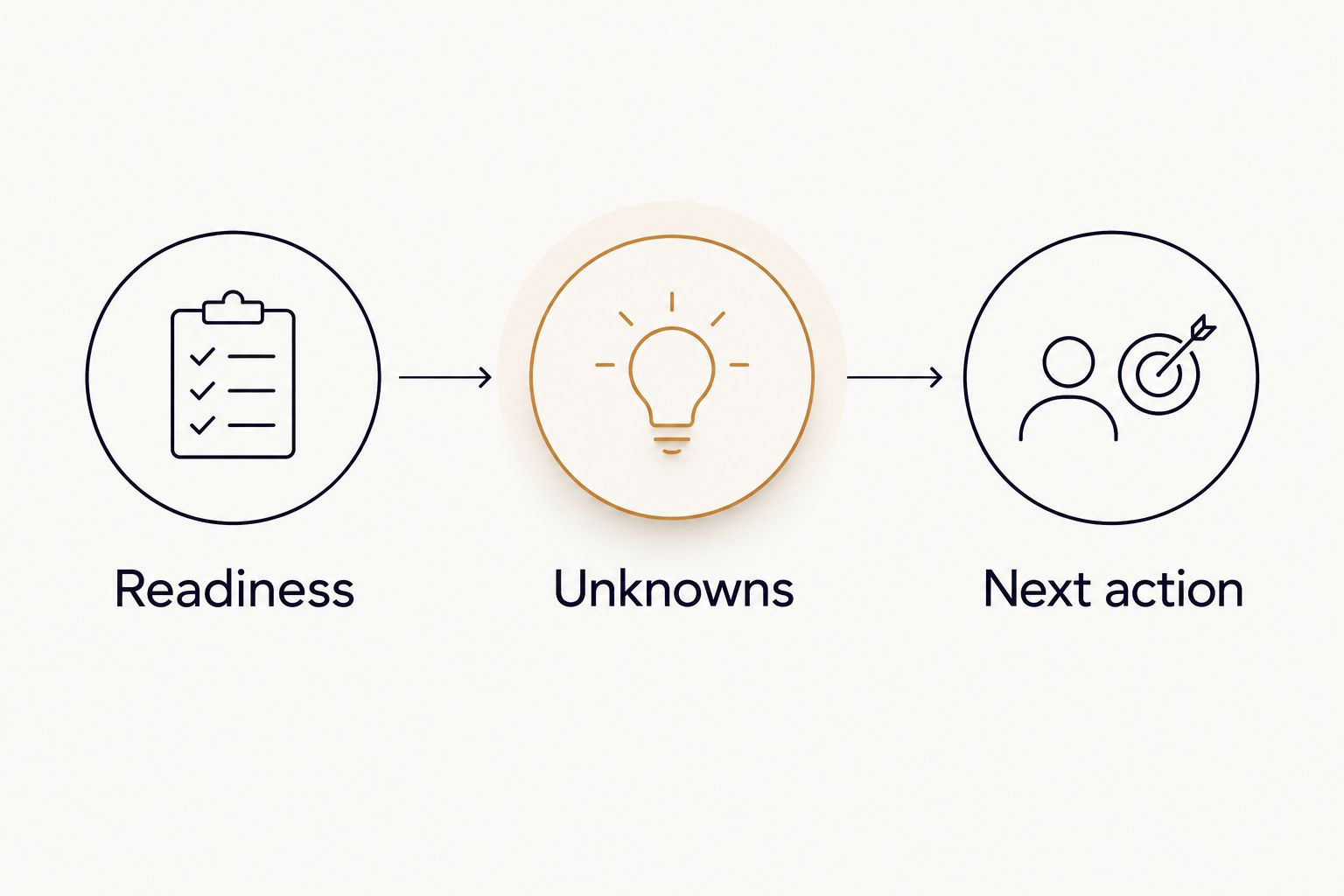
Use 3 cards with distinct positions: readiness, unknowns, and next action. Record the position before interpreting the card. A card that feels encouraging in the unknowns position still calls for a question to investigate; it does not erase the unknown.
Keep your interpretation tied to the position and to what you know. If The Fool appears, for example, you can examine your openness to a new responsibility without treating the card as an instruction to adopt immediately. An image of a fresh start doesn’t tell you how a pet behaves at home.
- Give the first card the position Readiness.
- Give the second card the position Unknowns.
- Give the third card the position Next action.
- Write one practical question prompted by each card.
The spread moves from your capacity to missing information, then to a step you control. It does not assign a verdict to the animal.
Check the reading against the animal’s needs
Now put the cards aside and gather information about the actual pet. Ask the rescue, shelter, foster carer, or current guardian what they know and what they don’t. An incomplete history is a reason to ask more questions, not a gap tarot can fill.
Focus on details that affect daily care. If your reading brought up patience, that might prompt you to ask how the animal responds to new surroundings. The answer must come from observation and the people caring for the animal, not from the card itself.
- Ask about known health needs and available records.
- Ask what daily care the animal currently receives.
- Ask how the animal has responded in relevant settings.
- Ask which parts of its history remain unknown.
- Check whether your home can meet the needs described.
Meet each pet without forcing a verdict
Meeting an animal gives you information a remote reading cannot. Notice what happens, ask the carers how typical that behavior is, and allow for the fact that an unfamiliar setting changes the interaction. Don’t interpret a shy moment as a fixed personality or an affectionate moment as a promise of easy care.
If you are choosing between 2 pets, use the same questions for both. That makes the comparison fairer than asking tarot which name sounds more promising. Where another meeting is possible, use it to revisit what remained unclear the first time.
- Observe how each animal responds during the meeting.
- Ask which behaviors are usual and which are new.
- Discuss how introductions at home would be managed.
- Record what you still need to learn about each pet.
Make the decision with evidence and reflection
Return to your notes only after you have the practical information. Identify what the reading helped you notice, then distinguish that insight from facts you verified. The decision should make sense without requiring anyone else to accept a tarot interpretation.
Give yourself 10 minutes to write a plain-language reason for adopting, waiting, or declining. If the reason is only that a card looked favorable, you haven’t finished checking fit. If the care needs and your circumstances align, the reading can help you enter the decision with clearer expectations.
- Compare each pet’s needs with your written care plan.
- Mark every unanswered question that affects the decision.
- Decide who will confirm each remaining fact.
- Choose adopt, wait, or decline based on what you know.
Which approach is best for choosing a pet?
You don’t have to choose between tarot and practical checks. Each option answers a different kind of question. Use the comparison below to decide where to start; no reading replaces information about the animal itself.
| Option | Best for | What it gives you | Key limitation |
|---|---|---|---|
| Self-guided tarot spread | People comfortable interpreting their own cards | A structured look at readiness, concerns, and next steps | Your hopes can shape how you read the cards |
| Jahben tarot reading | People who want guided reflection on an adoption decision | A personal reading focused on the questions you bring | It cannot verify a pet’s health or behavior |
| Meeting the pet and speaking with carers | Anyone considering a specific animal | Direct interaction and information from people caring for the pet | A meeting cannot reveal every future situation |
| Veterinary guidance | People evaluating known or suspected health needs | Professional input on medical questions | It does not decide whether your household is ready |
Best overall approach: meet the pet and check its needs first; use tarot to clarify your own decision. A self-guided spread is enough if you can interpret it without treating uncertainty as a sign to draw again. Jahben tarot guidance fits when you want another person to help frame the question and examine your response. Veterinary guidance belongs with medical questions, not with card interpretation.
In 2026, a reading is most useful before you commit and while there’s still time to ask questions. If you already know you cannot meet a pet’s stated needs, no favorable card changes that constraint. If the practical fit is sound but you’re struggling to name your concern, tarot gives you a way to put it into words.
Common mistakes prospective pet adopters make
Asking tarot to diagnose the pet
Cards don’t establish whether an animal has a medical condition or how it will behave in your home. Ask for records, speak with the people caring for it, and take medical questions to a veterinarian. A tarot interpretation is not a health assessment.
Reading every card as a yes or no
An adoption decision has more than two possible outcomes. You might be ready for a pet but not this pet, or you might need one more conversation before deciding. Read a challenging card as a question about the situation, not an automatic rejection.
Pulling again until the answer feels reassuring
Repeated pulls can turn a useful reflection into a search for permission. Keep the original spread, write down your reaction, and check the facts that reaction points to. If a card troubles you, ask what specific concern you can verify.
Confusing an instant connection with a care plan
Feeling attached matters, but it doesn’t assign feeding, exercise, or appointments. Put your care plan next to what the carers tell you about the animal. If the two do not fit, pause rather than asking a second spread to resolve a practical conflict.
Comparing pets without asking the same questions
It’s easy to collect detailed information about the pet you already favor and little about the other. Ask each carer the same core questions, then note genuine differences. The cards can help you examine your preference; they cannot correct an uneven comparison on their own.
FAQ
Can a tarot reading tell me which pet to adopt?
No. A tarot reading can clarify what you want and what concerns you, but choosing a pet also requires meeting the animal and checking whether you can meet its needs.
What is the best tarot spread for adopting a pet?
A three-card spread for readiness, unknowns, and next action is a clear starting point. Give every position a distinct purpose and turn each interpretation into a question you can investigate.
Should I ask tarot if an animal likes me?
No. Tarot cannot confirm what an animal feels. Observe your interaction and ask the people caring for the pet how it usually responds.
Is a live tarot reading better than an email reading for pet adoption?
A live reading suits you if you want to discuss questions as they arise; an email reading suits you if you prefer to reflect on a written response. Neither format replaces meeting the pet.
What should I do if I draw a difficult card about adoption?
Write down the concern the card raises and check it against your circumstances. A difficult card is not proof that an animal is unsuitable or that an adoption will fail.
Can tarot replace a veterinary assessment before adoption?
No. Take health questions and available medical information to a veterinarian. Use tarot to reflect on your readiness to provide care, not to diagnose an animal.
How do I compare two pets with tarot?
Use the same practical questions for each pet before interpreting your reaction to either one. Tarot can expose a preference, but information from meetings and carers must drive the comparison.
One last thing
Before you interpret a card about a particular pet, write down one thing that would change your decision if you learned it. Then ask the person caring for the animal. That question does more for an adoption choice than another card drawn to settle a feeling.
A tarot reading for adopting a pet works when it makes your next question sharper. In 2026, let Jahben help you examine the choice if you want guided reflection, and let the animal’s needs determine whether the choice is workable.
Related guides
- How to interpret The Fool tarot card in a reading
- How to journal after a tarot reading
- Reiki healing for pets and animal companions
Ready for your own reading?
Astrology, numerology, and tarot brought together into one clear, written answer about your love, career, or timing.
Book a Personal Reading Get Your Free Report