Reiki healing before surgery for patients is a complementary relaxation practice aimed at making the period around an operation feel more manageable, not at changing the medical outcome. If you are preparing for surgery in 2026, the useful question is whether a session helps you feel grounded while you follow your surgical team’s instructions. After surgery, recovery instructions come first.
- Reiki healing before surgery is best used for emotional support, not to treat a condition or improve surgical outcomes.
- Jahben is best for adults seeking spiritual support alongside surgery, not medical advice about the procedure.
- Ask your surgical team about timing, touch restrictions and recovery rules before arranging a session.
- After surgery, follow your discharge instructions and report new or worsening symptoms to your care team.
Why Reiki matters for surgery patients
Surgery creates practical uncertainty: you have instructions to follow, a procedure to face and a recovery period you cannot fully predict. Reiki gives some people a quiet space to attend to that uncertainty. It does not tell you what will happen in the operating room, and it cannot replace an answer from your surgeon.
The boundary is simple: use Reiki for spiritual support; use your medical team for medical decisions. That applies whether you choose a session before surgery, after surgery or not at all. Jahben offers Reiki sessions, but a session is not a reason to change medication, fasting instructions, anesthesia plans or follow-up care.
If Reiki is new to you, read how to prepare for your first Reiki session before adding it to a busy preoperative schedule. In 2026, your first priority is still the preparation plan your care team gave you.
How to use Reiki around surgery
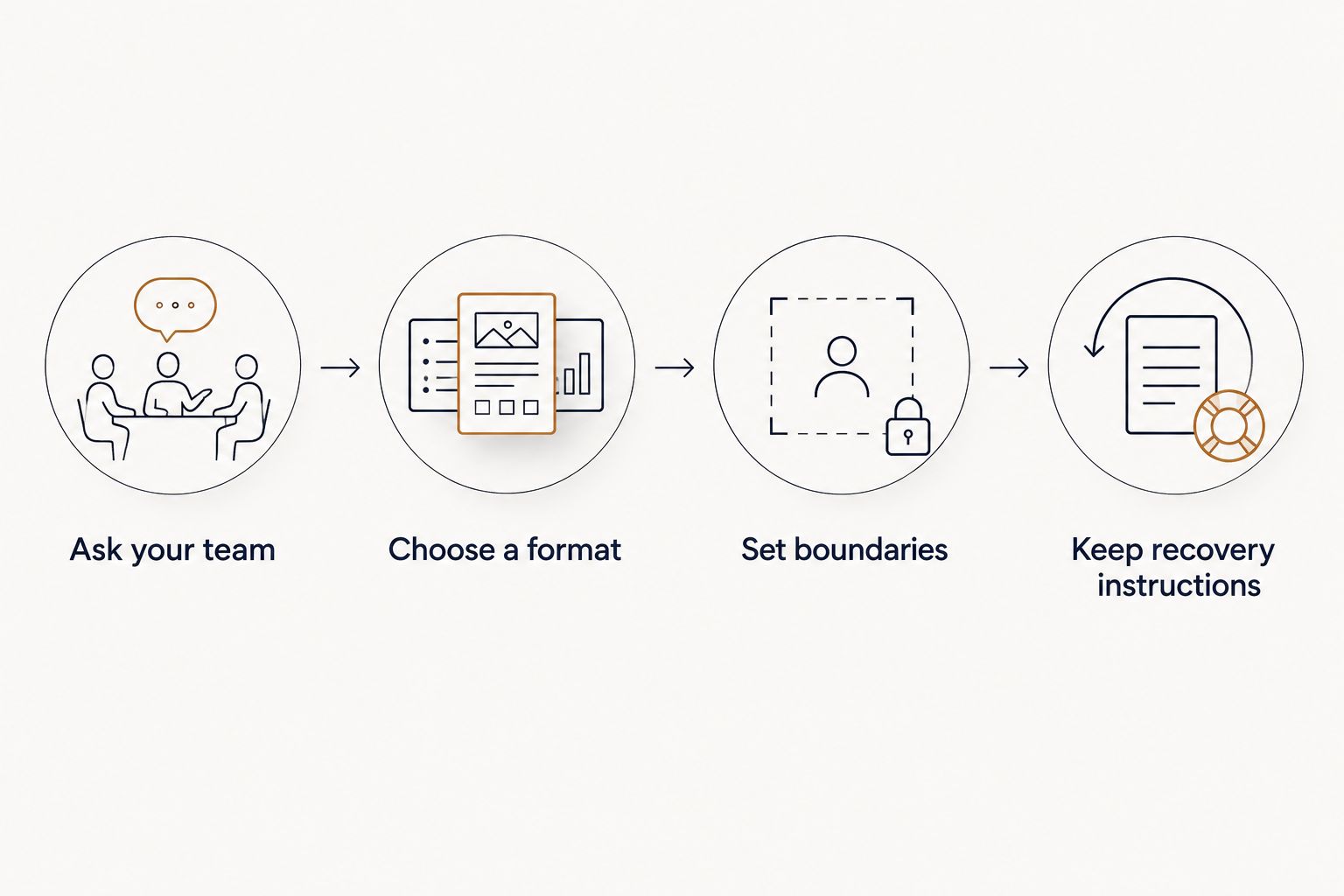
Ask your surgical team what is allowed
Start with the instructions you already have. A scheduled operation can involve fasting, medication changes, skin preparation and arrival rules. Reiki should fit around those requirements rather than compete with them. Tell your care team if you plan to attend an in-person session close to your procedure, especially if it involves touch or travel.
You do not need to ask your surgeon to endorse a spiritual practice. You need clear answers about anything that affects the medical plan. If your team gives you a restriction, follow it even when a practitioner suggests something different.
- Check your written preoperative instructions before choosing a session time.
- Ask whether touch, pressure or travel creates a concern for your situation.
- Keep required appointments and preparation steps unchanged.
- Direct questions about medications, fasting and anesthesia to your care team.
Decide what you want from the session
Name an emotional goal you can recognize without turning it into a medical promise. You might want space to acknowledge fear, settle before a difficult conversation or mark the transition into recovery. You do not need to feel calm afterward for the session to have been worthwhile to you.
A useful intention stays within your control. A prediction about whether surgery will succeed does not. In 2026, treat any claim that Reiki can guarantee a safer operation or a faster recovery as a reason to step back.
- Write down the feeling you want to address, such as uncertainty or fear.
- Keep outcome questions for your surgeon or anesthesiologist.
- Decide whether silence, conversation or another approach feels more comfortable.
- Give yourself permission to stop or decline a session.
Choose a format that fits your medical schedule
You can consider an in-person Reiki session, a distance session or a quiet practice you do yourself. None requires you to ignore a medical restriction. If travel or close contact does not fit your preparation or recovery instructions, staying home is the clearer choice.
Jahben offers Reiki Healing as distance sessions, so you can rest at home. If you are considering remote support, how distance Reiki healing works explains the practice. Ask about the format before you make plans around it; do not assume it has a clinical effect because it avoids travel.
- Check whether an appointment conflicts with preoperative instructions.
- Ask the practitioner what a session involves before booking.
- Choose a format that does not require prohibited movement or contact.
- Keep your medical appointments ahead of optional sessions.
Set touch and conversation boundaries
A Reiki session should not require you to surrender control of your body or your story. Tell the practitioner where you do not want touch and whether you prefer little conversation. If you have a dressing, wound, line or painful area after surgery, protect it according to your medical instructions.
You can also keep your diagnosis private. The practitioner needs to know what boundaries to respect, not every detail of your medical record. A comfortable session respects your limits without asking you to justify them.
- Say clearly if you want no touch.
- Identify any area that must not be touched or disturbed.
- Ask what happens during the session before it starts.
- End the session if a boundary is ignored.
Keep the day of surgery clear
The day of surgery belongs to your care team’s plan. Do not add a session that makes you late, distracts you from fasting rules or changes your transport arrangements. A short pause for reflection is different from changing the schedule your clinicians set.
If you feel frightened on the day, tell the clinical team. They can explain what comes next and address questions relevant to your care. Reiki does not replace that conversation, even when you have found previous sessions comforting.
- Recheck your arrival and preparation instructions.
- Bring medical questions to the people treating you.
- Avoid appointments that compete with transport or check-in.
- Use a quiet moment only when it does not interrupt required care.
Put recovery instructions before another session
After surgery, let your discharge instructions decide what is possible. Pain, fatigue and limited movement can make an optional appointment impractical. If you want Reiki during recovery, ask about any relevant restrictions first and choose a setting that does not interfere with rest, wound care or follow-up.
New or worsening symptoms need medical attention, not interpretation as an energy shift. Follow the contact instructions from your care team; seek urgent help for a medical emergency. Do not let anyone explain away a symptom you were told to report.
- Read your discharge instructions before arranging a session.
- Protect dressings, wounds and restricted areas.
- Keep follow-up visits and prescribed care on schedule.
- Contact your care team about symptoms that concern you.
Check what the session actually gave you
After a session, describe your experience plainly. Did you feel heard? Was the setting comfortable? Did it help you make room for a feeling you had been avoiding? Those are personal observations, not measurements of healing or evidence about the operation.
Jahben is best for adults who want Reiki as spiritual support during a difficult transition, not for people seeking a forecast of surgical results. If the session leaves you with a new medical worry, take that question to your care team. In 2026, keep the distinction between personal meaning and medical evidence firm.
- Note what felt useful without claiming a medical result.
- Record any boundary you would change next time.
- Ask your clinician about health questions raised afterward.
- Skip further sessions if they add stress rather than support.
Which option fits around surgery?
There is no required Reiki format for surgery patients. Choose by your medical restrictions, your preference for contact and whether you want another appointment at all. Doing nothing extra is a valid choice.
| Option | Best for | Practical limit | Key limitation |
|---|---|---|---|
| Quiet reflection on your own | People who want a private pause without an appointment | Follow your medical schedule | Offers no practitioner-led session |
| In-person Reiki | People who prefer a session in a shared space | Check travel and touch restrictions | May not fit preparation or recovery instructions |
| Distance Reiki | People who prefer to stay home | Confirm the practitioner’s format | Convenience is not evidence of a medical benefit |
| A conversation with your care team | People with questions about surgery or recovery | Use the contact route your team provided | Addresses medical care, not necessarily spiritual concerns |
These options serve different needs; they are not competing treatments. If your question is whether a symptom is normal or whether an instruction can change, choose the care team. If your question is how to sit with uncertainty while following that team’s plan, an optional Reiki session can serve a different purpose.
Jahben’s Reiki sessions belong in that optional category. Before committing to any practitioner, ask how the session works and state your boundaries. A practitioner who promises to replace clinical care is the wrong fit, regardless of format.
Common mistakes surgery patients make
Treating calm as proof of healing
Feeling calmer after Reiki does not show that an incision is healing, a condition has changed or recovery is on track. In 2026, judge recovery by the follow-up plan and medical guidance you receive, not by how a session felt. Both experiences matter, but they answer different questions.
Letting spiritual advice change medical instructions
Do not alter fasting, medication, wound care or follow-up because of a reading or a Reiki session. If an instruction is confusing, call the team that gave it. A practitioner can respect your medical boundaries without interpreting your treatment plan.
Booking without checking physical boundaries
An appointment can sound restful until travel, positioning or touch conflicts with a restriction. Ask what the session involves, explain what contact you do not want and check your care instructions first. If you cannot make those pieces fit, wait.
Explaining away symptoms
Do not label a new or worsening symptom a normal spiritual response. Use the reporting instructions your surgical team gave you. If you believe you are having a medical emergency, seek urgent medical help rather than waiting for another session.
FAQ
Can I have Reiki healing before surgery?
You can consider Reiki before surgery as optional spiritual support if it does not conflict with your care team’s instructions. Ask your team about any timing, touch or travel restrictions that apply to you.
Does Reiki make surgery safer?
Reiki is not an established way to make surgery safer. Follow the preparation and treatment plan from your surgical team for medical decisions.
Can Reiki help me feel less anxious before an operation?
Some people use Reiki as a quiet space to address worry, but your response is personal and not guaranteed. Tell your care team if anxiety is making it hard to prepare for surgery.
Is distance Reiki an option during recovery?
Distance Reiki is an option to consider if you want a session without traveling. It does not replace follow-up care, and you should still follow every recovery restriction your team gives you.
When can I have Reiki after surgery?
Arrange Reiki after surgery only when it fits your discharge instructions and physical limits. Ask your care team about touch, positioning or travel if you are unsure.
Can a Reiki practitioner touch a surgical wound?
Do not allow anyone to touch or disturb a surgical wound against your care instructions. Tell the practitioner your boundaries before a session and follow your wound-care plan.
Should I tell my surgeon I am planning a Reiki session?
Tell your surgical team if a Reiki session could affect timing, travel, touch or another part of your care plan. Bring medical questions directly to them rather than relying on a practitioner’s interpretation.
One last thing
The most useful question to ask before a session is not whether Reiki will change your surgical outcome. Ask whether you can take part without changing a single medical instruction. If the answer is no, postpone the session. Jahben’s Reiki practice can be part of your spiritual routine; your surgical team remains responsible for your medical care in 2026.
Related guides
- Reiki healing for anxiety: what to expect in a session
- Reiki healing for chronic pain and physical symptoms
- How many Reiki sessions do you need to feel results?
Ready for your own reading?
Astrology, numerology, and tarot brought together into one clear, written answer about your love, career, or timing.
Book a Personal Reading Get Your Free Report