A psychic reading for situationship clarity is a personal guidance session aimed at helping you decide what to do when someone’s words and actions do not match. It can help you examine the connection and your own choices; it cannot verify another person’s private thoughts or replace a direct conversation.
- A psychic reading for situationship clarity helps you frame a decision, not prove what someone else feels.
- Jahben is best for people seeking personal guidance on mixed signals, not certainty about another person’s intentions.
- Bring specific events and one decision you need to make; compare any insight with the person’s actions.
- If you need an answer from the other person, ask them directly before seeking another reading.
Why psychic guidance matters when signals are mixed
A situationship can leave you interpreting each warm message as progress and each silence as a setback. The practical problem is not that you lack another interpretation. It is that you need to decide what level of contact, commitment, and uncertainty you will accept.
Jahben offers personal psychic readings by email or live session, including tarot and layered approaches. For a broader look at what to bring to a relationship-focused session, start with psychic reading for love and relationship guidance. Jahben is best for people seeking personal guidance on mixed signals, not certainty about another person’s intentions.
In 2026, the useful question remains the same whether you have been talking for weeks or reconnecting after a break: what do you know, what are you assuming, and what will you do if nothing changes? A reading has a place in that process. It does not make an unclear answer from the other person clear.
How to use a reading for situationship clarity
Work from observable behavior toward a decision. Do not start by asking a reader to settle every unanswered question about the other person. You will get more from a focused session if you have already separated events from interpretations.
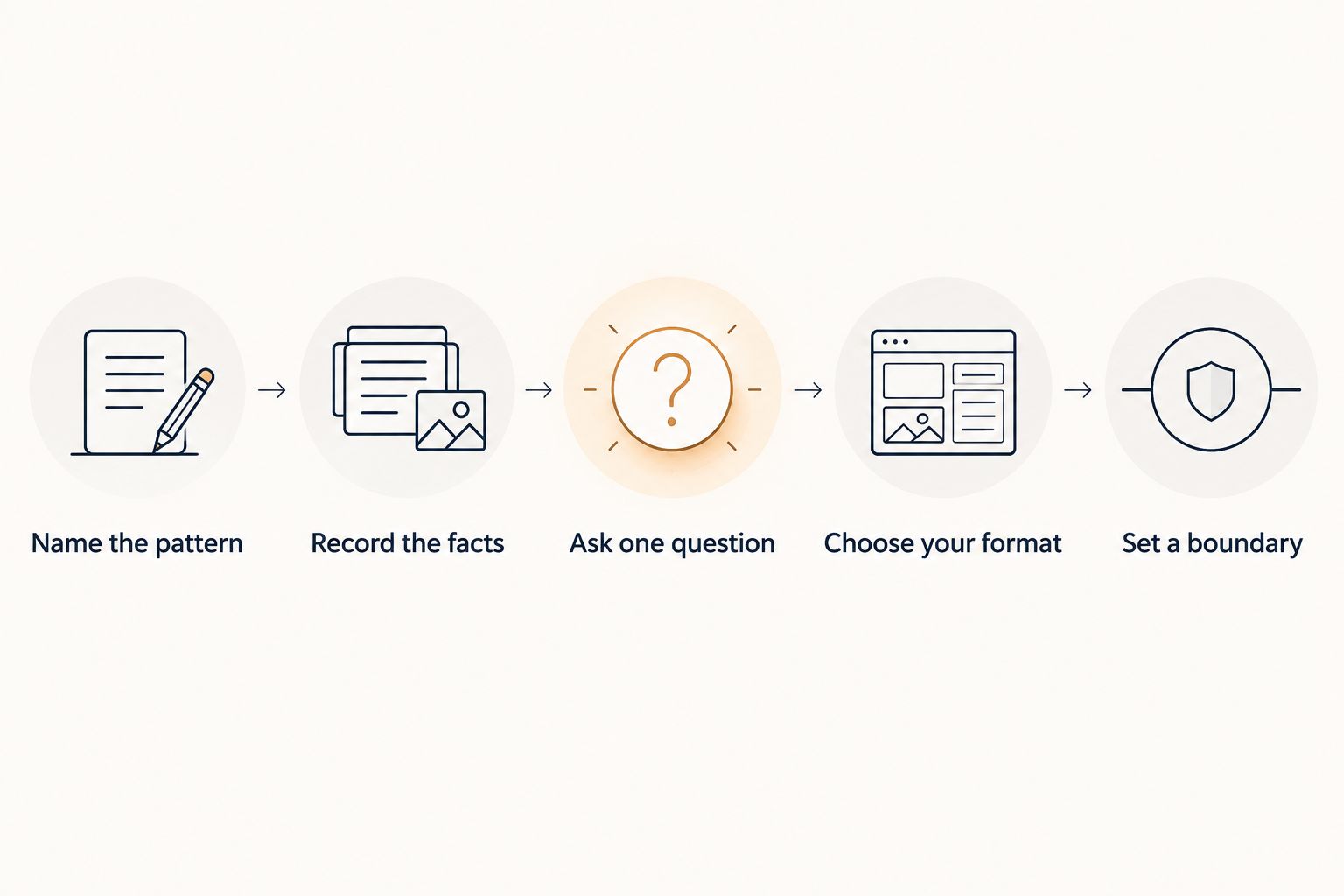
Name the pattern
Write down what feels mixed before you label the relationship. Is someone affectionate in person but unavailable between meetings? Do they discuss a future together while declining to make plans? Those are different patterns, and they call for different questions.
Keep the description narrow. “They are sending mixed signals” tells a reader less than “They initiate contact, then avoid plans when I suggest a date.” You can describe a pattern without deciding why it is happening. That distinction protects you from turning a possible explanation into a fact.
- Identify the behavior that leaves you uncertain.
- Note whether it happened once or has repeated.
- Separate what the person said from what they did.
- Write down the decision the pattern is delaying.
Record the facts
Before you seek spiritual guidance, make a short account of what you can confirm. Use your messages, plans, conversations, and your own recollection. Do not search for hidden meaning in every pause. The point is to give yourself a stable account of the connection.
A useful record includes both encouraging and discouraging events. If you remember only the intense moments, you lose sight of ordinary follow-through. If you remember only disappointments, you might overlook a conversation that deserves a direct response. In 2026, you still need the same test: can you describe the relationship without guessing what the other person thinks?
- List specific plans made and whether they happened.
- Record any conversation about exclusivity or expectations.
- Include examples that support both sides of your concern.
- Mark your interpretations as interpretations, not evidence.
Ask one question
A broad question such as “What will happen with us?” gives you little to act on. Ask about the choice in front of you instead. “What am I overlooking as I decide whether to ask for commitment?” invites reflection without pretending that a reading can extract a private answer from someone else.
If you are dealing with abrupt silence, first distinguish it from an ongoing but undefined connection. The questions differ: one concerns how to respond to a lack of contact; the other concerns what to request from a person who is present but unclear. The guide to tarot reading for ghosting and unclear relationship signals explores that distinction.
- Ask what you need to understand about your own decision.
- Name the outcome you are hoping for.
- Ask what you would do if the answer stays unclear.
- Avoid questions that demand proof of a private thought.
Choose your format
You do not need a paid session to begin. A journal prompt, a conversation with a trusted friend, or a tarot pull you do yourself can help you name your concern. Each has a limit: journaling can loop, a friend brings their own perspective, and a tarot card needs interpretation.
Jahben offers email and live psychic readings as well as tarot and layered sessions. An email format suits a question you can state clearly and want to revisit in writing. A live session suits someone who wants to clarify the question in conversation. In 2026, pick the format that fits how you process an answer, not the format you imagine will guarantee a particular result.
- Start with a written question you can answer in plain language.
- Choose email if you want time to review a written response.
- Choose live if discussing the question helps you define it.
- Choose tarot or a layered approach for the kind of reflection you want, not for a promise of certainty.
Compare insight with action
After a reading, put its ideas beside the record you made earlier. Did it help you notice a boundary you have avoided stating? Did it give you language for a conversation? Treat those as useful outcomes. Do not treat an interpretation as evidence that someone has committed, changed, or intends to return.
This is where many situationship questions become simpler. You can respect a spiritual interpretation and still decide that consistent behavior matters more to you than a hopeful possibility. If an insight asks you to ignore what you have repeatedly experienced, pause before acting on it.
- Write down the insight in your own words.
- Identify the choice it helps you make.
- Check whether observable behavior supports that choice.
- Set aside any claim you cannot confirm or act on.
Set a boundary
Clarity is useful only when it changes your next step. Decide what you need to ask for and what you will do with the answer. A boundary concerns your participation: whether you will keep dating without a shared definition, make more plans, or step back. It is not a way to force the other person to choose you.
Keep the conversation direct. You can say what you enjoy, name what feels unclear, and ask whether they want the same kind of connection. Their response deserves attention, but so does their follow-through. In 2026, no reading can have that conversation on your behalf.
- State the kind of relationship you want.
- Ask a question the other person can answer directly.
- Decide what continued ambiguity means for your participation.
- Judge the response alongside subsequent actions.
Decide whether you need another reading
Pause before booking a second session about the same unanswered question. Ask whether anything has changed since the first: a conversation, a decision, or a new pattern of behavior. If not, another interpretation risks keeping you focused on the other person’s possible feelings instead of your own next move.
A new session fits a new decision. If you have stated a boundary and the relationship changes, you have fresh context to discuss. If you have not used the first insight, return to your notes and the direct conversation before seeking more guidance.
- Revisit the question you originally asked.
- Identify what you learned and what remains unconfirmed.
- Act on a decision within your control.
- Seek fresh guidance only when the situation or decision changes.
Which option fits your situation?
Start with the least complicated option that answers your actual question. A reading is useful when you want personal interpretation and space to reflect. A direct conversation is necessary when you need the other person’s stated intentions. These options work together, but they do different jobs.
| Option | Best for | Key limitation |
|---|---|---|
| Journaling | Separating events from assumptions before you act | You can repeat the same interpretation without challenging it |
| Direct conversation | Learning what the other person is willing to say and do | Their answer still requires follow-through |
| Self-guided tarot | Exploring your reaction to a question | A card does not confirm someone else’s thoughts |
| Jahben email psychic reading | Bringing a focused love question to a personal written reading | Written guidance cannot substitute for a conversation with your partner |
| Jahben live psychic reading | Talking through a question as you explore it | A live interpretation is still not proof of another person’s intent |
If you prefer to prepare a single written question, the guide to email psychic reading for love questions offers a relevant next read. Whichever option you choose in 2026, judge it by whether it helps you take an honest next step, not whether it tells you what you hope to hear.
Common mistakes people in situationships make
Asking for certainty instead of deciding what uncertainty you accept. “Are they the one?” puts your decision in the hands of a prediction. Ask what information or boundary would let you decide whether this connection works for you now.
Treating chemistry as a commitment. A close conversation or an affectionate meeting can matter to you without establishing shared expectations. If commitment is what you need, discuss it directly and look at what happens afterward.
Turning a reading into an investigation. Repeated questions about where someone was, whom they spoke to, or what they secretly feel do not give you verified facts. Focus on your experience, your choices, and the questions you can ask openly.
Ignoring an answer you already received. If the other person has said they do not want the relationship you want, a spiritual interpretation does not cancel that statement. You can feel disappointed and still make a decision based on what they told you.
Booking again before acting. Another session can feel easier than asking a difficult question. Use the first reading to identify one action; return for a new perspective when there is a genuinely new situation to consider.
FAQ
Can a psychic reading tell me whether my situationship will become a relationship?
A psychic reading cannot guarantee that a situationship will become a relationship. Use it to examine your choices, then ask the other person what they want and watch whether their actions match their answer.
What should I ask in a psychic reading for situationship clarity?
Ask a question about a decision you control. For example, ask what you need to consider before requesting a clearer commitment rather than asking a reader to prove what someone else feels.
Is tarot or a psychic reading better for mixed signals?
Tarot suits a focused question you want to explore through card interpretation; a personal psychic reading offers another form of guidance. Neither can verify private thoughts, so choose the approach that helps you reflect and act.
Should I talk to the other person before getting a reading?
Talk to them first if the missing information is their stated intention. A reading can help you prepare for that conversation or reflect on it afterward, but it cannot answer in their place.
Can an email psychic reading help with a love question?
An email psychic reading can help you examine a clearly stated love question in writing. It is a fit when you want to revisit the response, not when you need an immediate answer from the other person.
What if a reading contradicts the other person’s actions?
Give observable behavior and direct statements priority when deciding how to participate in the relationship. Treat the reading as an interpretation to consider, not evidence that the other person has changed.
When should I get another reading about the same situationship?
Seek another reading when a new event creates a new decision. If nothing has changed, review your first question and take the next step within your control before asking again.
One last thing
The clearest answer might not be about how the other person feels. It might be that you already know what you need and have been waiting for a reading to make the request feel easier. Ask the question anyway. In 2026, your boundary is yours to set even when their answer remains uncertain.
Related guides
Ready for your own reading?
Astrology, numerology, and tarot brought together into one clear, written answer about your love, career, or timing.
Book a Personal Reading Get Your Free Report